Coaching | Growth | Leadership
Why We Need to Ask, Not Assume
We’ve normalised judging before asking. Here’s how to shift from reactive correction to curious conversation in leadership and everyday life.


We’ve normalised judging before asking. Here’s how to shift from reactive correction to curious conversation in leadership and everyday life.
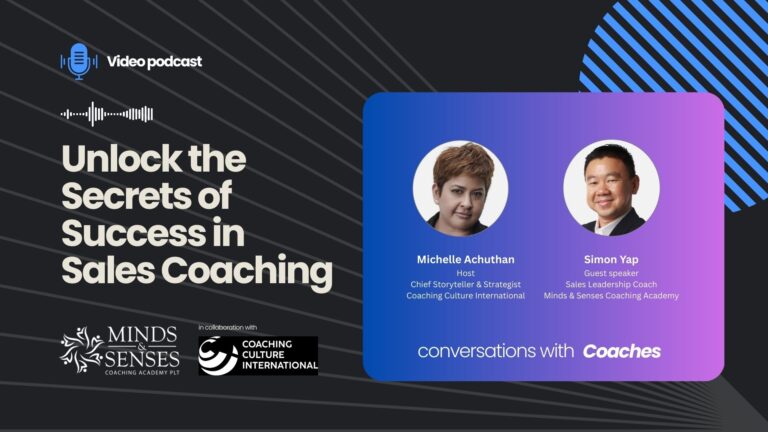
Sales coaching isn’t just about tips after a call. It’s about turning training into results and creating a culture where skills, mindset, and leadership thrive.

What sticks isn’t a framework, but how leaders show up in the field. Explore real coaching habits that shift culture, one call at a time.

Coaching doesn’t become culture through intention. It becomes culture through rhythm. Learn how to sustain coaching through leadership and routine.

Many managers want to coach, but rhythm is missing. Learn how to embed coaching in everyday sales calls using practical tools and field-ready routines.

Most sales teams don’t need more training. They need better rhythm. Learn how to activate real coaching in the field, starting with one sales call.

Sales training isn’t the problem. The missing piece? A rhythm that turns learning into lasting behaviour. Here’s a practical ecosystem that makes it stick.

Not all sales training fails. But in many Asian companies, even when the root causes are clear, real change doesn’t follow. This piece explores why that gap between knowing and doing still exists — and what’s quietly getting in the way.

Self-limiting beliefs (SLBs) restrict employees’ ability to grow and adapt, often impacting their performance and team dynamics. One such belief is being self-opinionated, where individuals strongly hold onto their views, unwilling to consider alternative perspectives or feedback. While confidence in one’s abilities is essential, a self-opinionated mindset can create blind spots, leading to missed opportunities…

Sales training builds awareness and skills, but coaching is what turns it into daily behaviour into results. This post explores how simple, consistent coaching keeps learning alive long after the workshop ends.

A self-limiting belief (SLB) is an internal narrative that hinders individuals from reaching their full potential. One prevalent SLB is self-deception, where individuals hold false beliefs about their abilities or circumstances, leading to stagnation and missed opportunities. Self-deception manifests as statements like, “I’m already performing at my best; there’s no need for improvement,” or, “This…

Self-limiting beliefs (SLBs) are mental barriers that prevent individuals from reaching their potential. Blame is one of the most harmful SLBs, as it shifts responsibility onto others or external factors. While blaming may offer temporary relief from pressure, it ultimately stifles personal growth and weakens team dynamics. Blame often sounds like, “It’s their fault we…

The food service industry thrives on strong relationships. HoReCa operators seek suppliers who offer more than just products, they want partners who understand their needs, ensure reliability, and add value. Food service providers who invest in customer relationships build loyalty, increase retention, and strengthen long-term business success.

Self-limiting beliefs (SLBs) are internal narratives that hold individuals back, distorting how they perceive themselves and others. Bias is one such SLB that can skew perspectives, leading to assumptions and judgments that hinder workplace harmony and collaboration. Left unaddressed, bias can create barriers to growth, trust, and effective teamwork. Bias often manifests as fixed beliefs…

The food service industry thrives on strong relationships. HoReCa operators seek suppliers who offer more than just products, they want partners who understand their needs, ensure reliability, and add value. Food service providers who invest in customer relationships build loyalty, increase retention, and strengthen long-term business success.

A self-limiting belief (SLB) can hold individuals back from recognising their full potential, and self-pity is one such belief that quietly erodes confidence and motivation. When employees experience self-pity, they often feel powerless and overly focused on their misfortunes or perceived failures. While it’s natural to feel down occasionally, prolonged self-pity can trap employees in…

The food service industry moves fast, and staying competitive requires more than just great products. Customer preferences shift, market trends evolve, and operational challenges arise. Food service providers who track key insights from market trends to competitive strategies can make smarter decisions, optimise sales, and build stronger customer relationships.

A self-limiting belief (SLB) is an internal narrative that keeps individuals stuck, holding them back from achieving their potential. These beliefs often stem from past failures, fear of judgment, or deeply ingrained mindsets. One of the most common SLBs is the feeling of helplessness, a mindset that disempowers and demotivates individuals in their work and…

A self-limiting belief (SLB) can hold individuals back from recognising their full potential, and self-pity is one such belief that quietly erodes confidence and motivation. When employees experience self-pity, they often feel powerless and overly focused on their misfortunes or perceived failures. While it’s natural to feel down occasionally, prolonged self-pity can trap employees in…

A self-limiting belief (SLB) is an internal narrative that holds individuals back from realising their true potential. These beliefs often stem from past experiences, fears, or societal pressures, creating barriers to growth and success. One of the most common SLBs is self-doubt. A mindset that can significantly affect an individual’s confidence and capability. Self-doubt manifests…